School Goal Two

Enhance the capacity of staff and students to create and maintain respectful, accessible learning environments by developing an inclusive mindset within students and staff.
How can we continue to address inclusion, diversity, and equity and accessibility and language (IDEAL) through instruction, feedback, and school culture, to reflect respect, inclusion, and high expectations for all learners?
At North Saanich Middle School, we know that inclusion, diversity, equity, accessibility, and language are foundational to learning and leadership. These principles are essential for success, well-being, and personal growth. Students reflect on their middle school experience through tools such as the Hawk Face and the Student Learning Survey, while staff identify areas for personal and collective growth using the IDEAL principles. Together, we are building our capacity to support students’ social, emotional, and academic development. We also access student and community perspectives through student-led conferences, family engagement opportunities, and community outreach initiatives. These conversations provide valuable insights that guide our planning and ensure our approaches reflect the voices of those we serve.
Our goal aligns with the district strategic priority to promote mental health and well-being through social emotional learning and trauma informed practice.
This focused inquiry also connects directly to the district’s commitment to Global Citizenship and is deeply rooted in the First Peoples Principles of Learning.
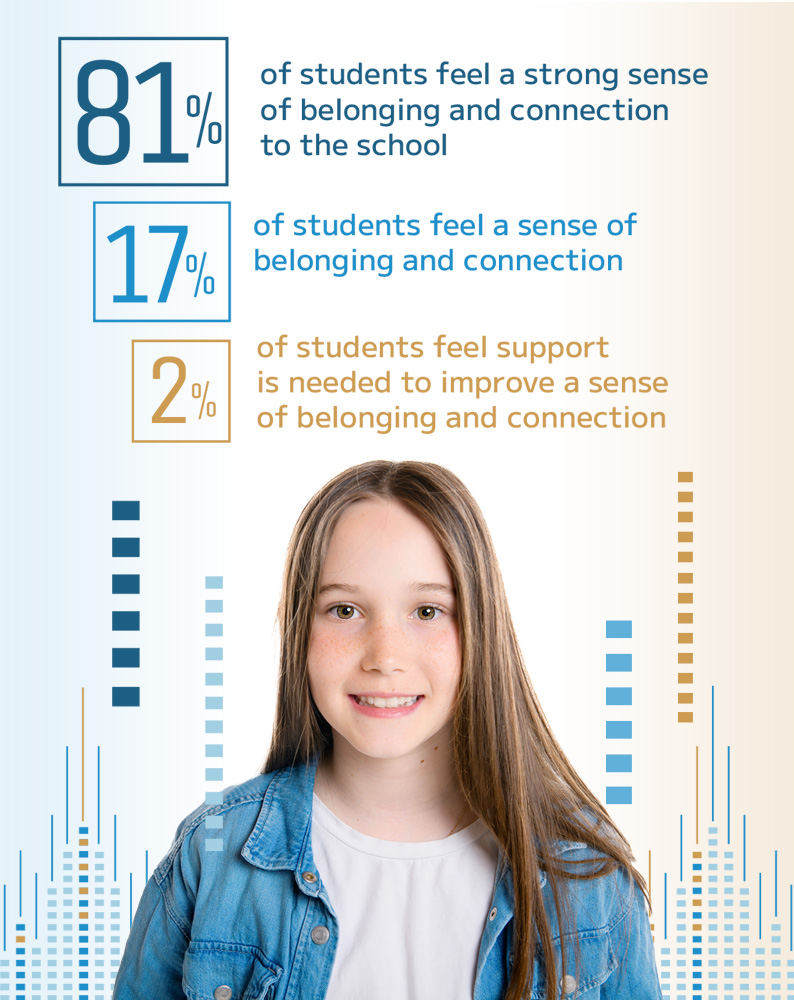
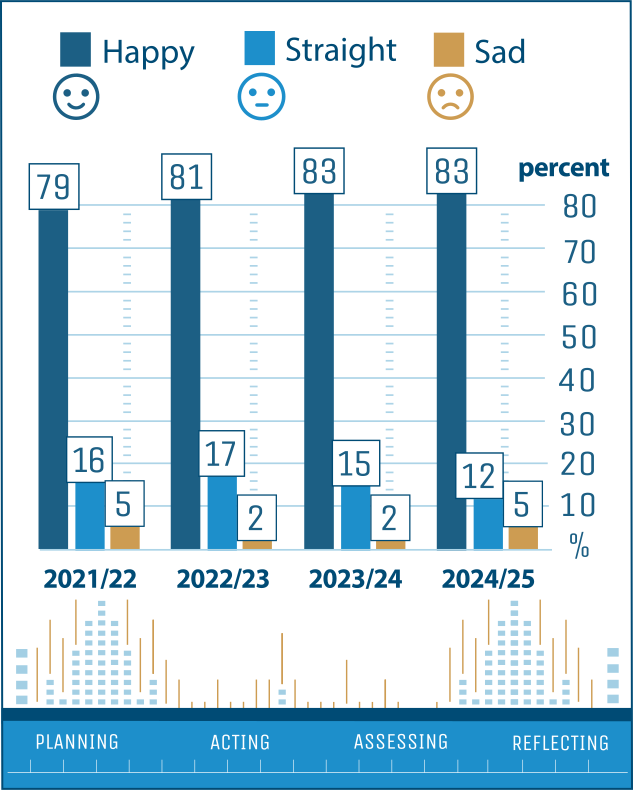
Yearly Hawk Face Check In with students - 2025 data



First Peoples Principles of Learning

The Global Citizenship Goal needs to ensure that:
- Learning requires exploration of one’s identity;
- Learning ultimately supports the well-being of the self, the family, the community, the land, the spirits, and the ancestors; and
- Learning is holistic, reflexive, reflective, experiential, and relational (focus on connectedness, on reciprocal relationships, and a sense of place).
The goal aligns with the Indigenous Education Enhancement goal: W̱SÁNEĆ, other First Nations, Metis and Inuit students and understanding of mental and emotional wellness.
To reduce barriers and promote wellness, we have reorganized our counselling model and increased accessibility for students and families. Part of promoting wellness is honouring and listening to our student voice. To receive feedback regarding how students feel at school, students express their thoughts and/or concerns through our Hawk Face reflection process every spring. Appropriate measures are in place to support students who require follow-up. Students also participate in providing input on their school experiences through the Student Learning Survey. Staff are engaged in ongoing professional development to enhance their capacity with language and strategies related to the IDEAL principles. We have created a Welcome Wall that represents all languages spoken in our school community. This shows our continued commitment to honour diversity and create a more inclusive environment.
We are committed to reducing barriers and promoting wellness for all students and families. We continue to reorganize our counselling model to make support more accessible. Our Indigenous Education weekly meetings now include counsellors and the ELS team, strengthening collaboration. We also partnered with our PAC to align themes from our Comprehensive Counselling Calendar with theirs, creating a unified approach to student and family well-being.
Listening to student voice is central to our work. Each spring, students share their thoughts and concerns through the Hawk Face reflection process, with follow-up supports in place as needed. They also provide input through the Student Learning Survey.
Staff continue professional learning focused on IDEAL principles (Inclusion, Diversity, Equity, Accessibility, and Learning). We formed an IDEAL Steering Committee to guide our equity work and continue collaborating with Diverse Abilities (Year 2). Their team presented to all divisions about accessibility and inclusion, and will share with our parent community in May.
We also continue to partner with an anti-racist consultant to build staff capacity using a Pluralism Reflection Tool to set SMART goals (Year 4). In addition, we run an annual staff book club to deepen understanding and foster dialogue around equity and inclusion.
Over the 2025-26 year, we will continue to track progress on our initiatives identified in this year’s plan. Our students continue to identify that they feel a strong sense of belonging and connection to our school, and that they are engaging in things they are interested in, and have a choice about what and how they learn. We will continue to collect students' input and perspectives to ensure that our goal is data informed.
Student Voice and Well-Being:
Hawk Face Data:
- Over the past four years, the percentage of students reporting that things are going well at school has remained consistently high (79%–83%, see data below). This is encouraging and reflects a generally positive school climate. However, the percentage of students reporting experiences of being treated unkindly or disrespectfully has fluctuated between 2% and 5%. While these numbers are relatively low, they highlight the need for continued attention to mental health and well-being.
Staff Capacity and Engagement:
- Staff participation in professional learning related to IDEAL principles has grown steadily. The IDEAL Committee is active, and collaboration with Diverse Abilities and anti-racism consultants has strengthened our collective understanding of equity and inclusion.
- Our annual staff book club and use of Pluralism Reflection Tool has fostered deeper dialogue and goal setting.
School Culture and Environment:
- Visual actions, such as the Welcome Wall and inclusive language practices, have been positively received by students and their families
- Increased accessibility to counselling services and alignment with PAC initiatives have improved support systems for students and families.
Yearly Hawk Face Survey data
Summary learning, based on evidence gathered over the year, will provide us with key learnings to guide the next steps for the 2025-26 school year and beyond. We will continue to expand our collaboration with Diverse Abilities, deepen our engagement with our anti-racism consultant by setting SMART goals through the use of the Pluralism Tool and continue to work with our PAC and our North Zone family of schools.